
Define Parking Areas and Control Water Flow
Curb Installation in Shelton & Fairfield County for parking lots with unprotected pavement edges and poor drainage control.
All Time Paving and Seal Coating installs concrete, asphalt, and Belgian Block curbing for commercial properties in Shelton and across Fairfield County that need to protect pavement edges, direct water runoff, and define parking spaces. When your parking lot lacks clear boundaries or water runs off the pavement in uncontrolled paths, curb installation creates physical barriers that guide traffic, prevent erosion, and improve the appearance of your property. This service is typically performed during new paving projects or parking lot upgrades, and it works with drainage systems to keep water away from building foundations—a critical defense against New England’s heavy snowmelt and seasonal flooding.
The process begins with layout and marking to establish curb lines that match the parking lot design and drainage plan. Forms are set to the correct height and grade, ensuring the curb directs water toward catch basins or designated runoff areas. Concrete is poured and finished to create a smooth, durable edge that withstands vehicle contact, road salt, and Connecticut's extreme temperature swings. Asphalt curbing is shaped and compacted during the paving process, forming a continuous edge along pavement borders. Both methods protect the pavement from damage caused by vehicles driving over unsupported edges and prevent the gravel sub-base from shifting during the freeze-thaw cycle.
Discuss curb installation during your paving project planning to protect pavement edges and manage water flow in Connecticut.
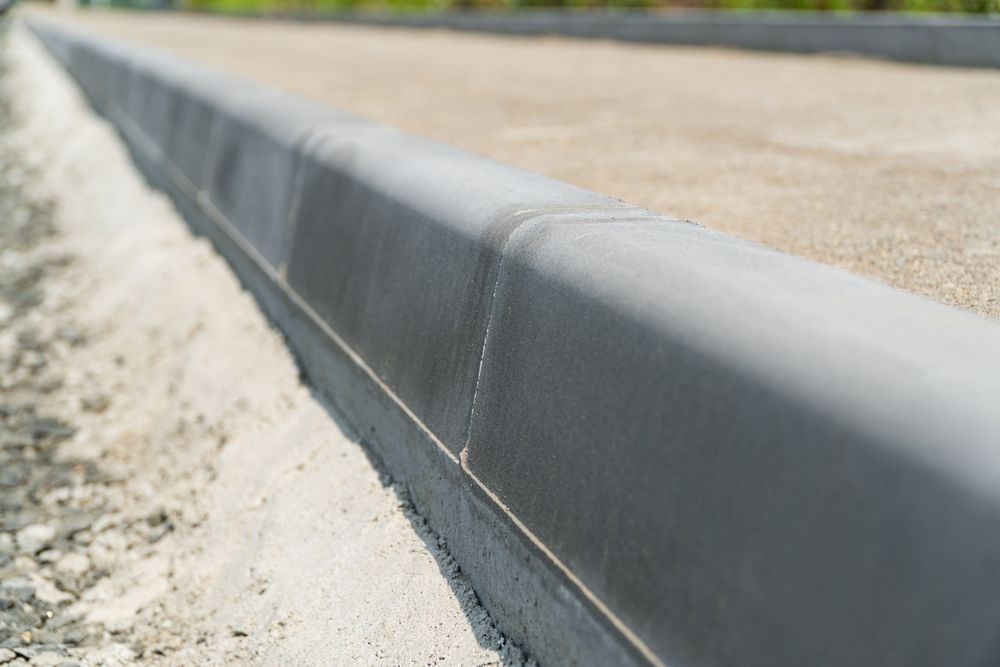
What Curbing Adds to Commercial Properties
You will see crews set forms along the perimeter of parking areas, loading zones, and landscape beds, creating a defined edge that separates pavement from grass or gravel. Concrete curbs are poured in sections and allowed to cure before forms are removed, leaving a solid barrier that resists cracking. Asphalt curbs are formed by shaping hot asphalt at the pavement edge, creating a raised lip that prevents vehicles from driving onto landscaping.
After installation, your parking lot will have clean, straight edges that guide vehicles into designated spaces and prevent them from damaging grass or mulch beds. All Time Paving and Seal Coating installs curbing that channels rainwater along the pavement surface toward drainage inlets, reducing standing water and protecting the pavement base from the structural damage common after New England’s heavy snowmelt and seasonal rain events. Property managers will notice fewer complaints about muddy parking areas, less damage to landscaping, and a more organized appearance that improves the property's curb appeal.
Curbs also reduce long-term maintenance costs by preventing pavement edges from crumbling under vehicle weight. Without curbing, the asphalt edge breaks away over time—a process accelerated by Connecticut’s freeze-thaw cycles and the heavy impact of snowplow blades—requiring patching and allowing water to infiltrate the base. Curbing installed during initial paving or lot reconstruction provides decades of protection and eliminates the need for frequent edge repairs. Concrete curbs offer the longest lifespan, while asphalt curbs integrate seamlessly with the pavement surface and can be shaped to match custom layouts.
Questions Property Managers Ask About Curb Installation
Commercial property owners in Connecticut often ask about curb materials, installation timing, and how curbing improves drainage. These answers address common concerns about curb installation services.
What is the difference between concrete and asphalt curbing?
Concrete curbs are more durable and provide a sharper edge, while asphalt curbs blend with the pavement and are easier to shape around curves. Concrete is preferred for high-traffic areas and areas exposed to snowplow contact.
How does curbing prevent water from damaging the pavement base?
Curbs direct runoff along the pavement surface toward drainage inlets, preventing water from flowing over the edge and eroding the base material. This keeps the pavement stable and extends its lifespan.
When should curbing be installed during a paving project?
Concrete curbs are typically poured before asphalt placement so the pavement can be laid against a solid edge. Asphalt curbs are formed during or immediately after paving while the material is still workable.
Why do parking lots need curbing along landscape beds?
Curbs prevent vehicles from driving onto grass or mulch, which protects landscaping and reduces maintenance. They also create a visual boundary that helps drivers stay within paved areas.
What maintenance do curbs require after installation?
Concrete curbs need occasional joint sealing to prevent water infiltration, and asphalt curbs benefit from seal coating along with the pavement. Both types should be inspected for cracks or damage after winter plowing.
All Time Paving and Seal Coating includes curb installation in parking lot paving projects to protect pavement edges and improve site drainage. Contact the team in Connecticut to review curbing options and coordinate installation with your next paving project.